Приказ основних података о документу
Ekonomska teorija i politička moć korporacije
Економска теорија и политичка моћ корпорације
| dc.creator | Jovanović, Aleksandra | |
| dc.date.accessioned | 2025-12-04T10:35:58Z | |
| dc.date.available | 2025-12-04T10:35:58Z | |
| dc.date.issued | 2018 | |
| dc.identifier.isbn | 978-86-7630-776-0 | |
| dc.identifier.uri | https://ralf.ius.bg.ac.rs/handle/123456789/2256 | |
| dc.description.abstract | Рад се бави концептуалним оквиром за истраживање понаша- ња савремених предузећа/корпорација (њихове циљне функције и кор- поративног управљања) у контексту повезивања са политичком моћи предузећа. Економска теорија политичку моћ фирме/корпорације нужно интегрише у концептуални оквир за истраживање економских и политичких ризика које глобализоване корпорације потенцијално носе. Неблагонаклоност према модерним корпорацијама извире из ан- тилибералних позиција без увиђања важних позитивних ефеката које корпорација као форма привредног друштва има. Економска анализа политичке моћи предузећа/корпорације указује на могуће негативне економске и социјалне ефекте деловања корпорације што не може бити изговор за антилиберални поредак искључивања тржишта. Искључивање тржишта само јача политичку спрегу државе/поли- тичара и компанијских менаџера/директора и олакшава овладавање државом. Глобализацијски процеси снажења корпоративне моћи траже одговор на питање како економски моћне корпорације одвра- тити од утицаја на политику којим себи обезбеђују конкурентску предност, тржишну моћ и профите. Рад реактуелизује неке кон- цепте (нео)институционалне економске теорије и теорије јавног избора важне за објашњење понашања корпорације у контексту по- литичке моћи предузећа. У истом контексту је и питање утицаја политичке моћи корпорације на обликовање њене циљне функције. Циљна функција се модификује зато што политичка моћ фирме укључује жељу корпорације за стицањем позиције којом ће изван тржишта увећати своје профите и друге елементе свог богатства и благостања. Поново се покреће питање да ли се максимизира профит, богатство или благостање власника/акционара, односно како ће се исказати менаџерска дискреција и како ће се организовати корпоративно управљање и са којим циљем. Рад, такође, разматра и питања корпоративног управљања с обзиром на политичку моћ предузећa. | sr |
| dc.description.abstract | The paper deals with the conceptual framework for analysis of the aim function and corporate governance behaviour of contemporary firm/ corporation in relation to the corporate political power. Political power of the corporation is necessarily integrated into the conceptual economic framework for investigating the economic and political risk that potentially characterizes the behaviour of the corporation. Dislike for modern corporations comes from anti-liberal attitudes that don’t take into consideration important positive effects that characterize corporation as a form of business organization. Economic analysis of corporate political power points to the potential negative economic and social effects of corporate behaviour. These negative effects could not serve as a pretext for antiliberal market suspension because suspension of market just reaffirms the political coupling between the politicians and corporate managers and alleviates the state capture. Strengthening of the corporate power in the globalization processes demands a solution how to divert powerful corporations from getting competitive advantages, market power and profits by pressure imposed on legislators and regulators. The paper revives a number of concepts of the (neo)institutional economic theory and the public choice theory with explanatory significance for the behaviour of the corporation in the context of its political power. The aim function of the firm is analysed in the same context. The aim function is to be modified because corporate political power includes the corporate aim to enlarge profits and other components of its wealth and welfare irrespective of the market. The paper also deals with the issues of whether profit or shareholder wealth or shareholder welfare is maximized, how managerial discretion will be demonstrated and corporate governance organized. Corporate governance is taken into account in regard to political power of the firm. | sr |
| dc.language.iso | sr | sr |
| dc.publisher | Beograd : Pravni fakultet Univerziteta u Beogradu, Centar za izdavaštvo i informisanje | sr |
| dc.relation | info:eu-repo/grantAgreement/MESTD/Basic Research (BR or ON)/179077/RS// | sr |
| dc.rights | openAccess | sr |
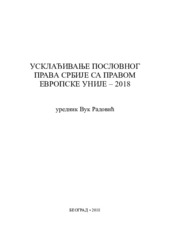
| dc.source | Усклађивање пословног права Србије са правом Европске уније - 2018 | sr |
| dc.subject | политичка моћ корпорације | sr |
| dc.subject | циљна функција | sr |
| dc.subject | корпоративно управљање | sr |
| dc.subject | овладавање државом | sr |
| dc.subject | (нео)институционална и теорија јавног избора | sr |
| dc.subject | corporate political power | sr |
| dc.subject | aim function | sr |
| dc.subject | corporate givernance | sr |
| dc.subject | state capture | sr |
| dc.subject | (neo)institutional and public choice theory | sr |
| dc.title | Ekonomska teorija i politička moć korporacije | sr |
| dc.title | Економска теорија и политичка моћ корпорације | sr |
| dc.type | bookPart | sr |
| dc.rights.license | ARR | sr |
| dc.citation.epage | 26 | |
| dc.citation.spage | 11 | |
| dc.identifier.fulltext | https://ralf.ius.bg.ac.rs/bitstream/id/3670/bitstream_3670.pdf | |
| dc.identifier.rcub | https://hdl.handle.net/21.15107/rcub_ralf_2256 | |
| dc.type.version | publishedVersion | sr |